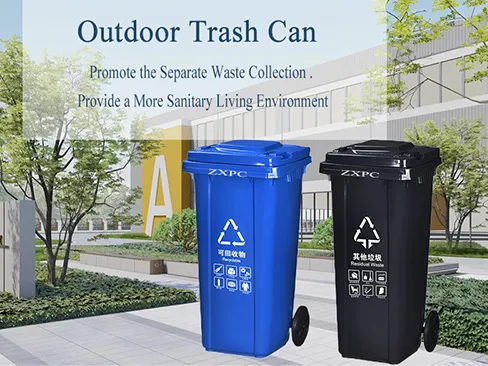
Proper planning of industrial garbage containers is essential for efficient waste management in manufacturing facilities. Manufacturers face several challenges, such as inefficient waste disposal processes, compliance with regulations, and the need for sustainable practices. Statistical insights reveal that factories generating significant waste—more than 270 million tons in the U.S. annually—often struggle to implement effective solutions (EPA, 2022). In this article, we’ll explore step-by-step guidance on planning industrial garbage containers, offering real-world case studies to highlight the benefits of strategic waste management. Key aspects include container selection, waste categorization, and workflow implementation.
Before you dive into the actual planning process, specific prerequisites will set the foundation for success. Ensure you have the following:
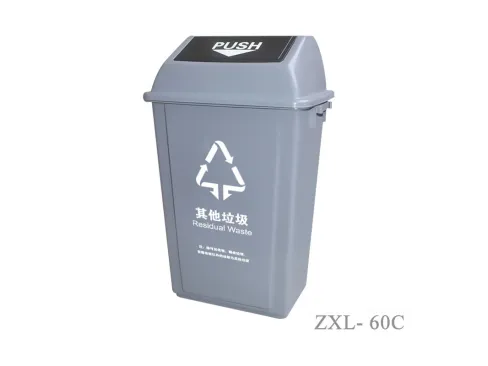
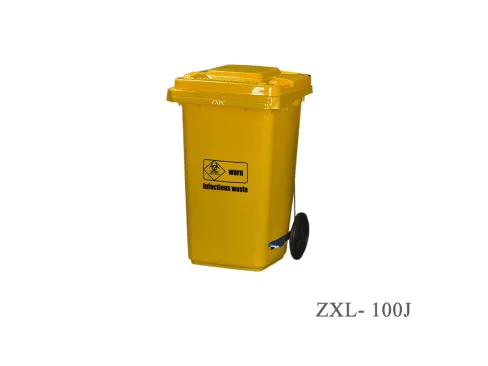
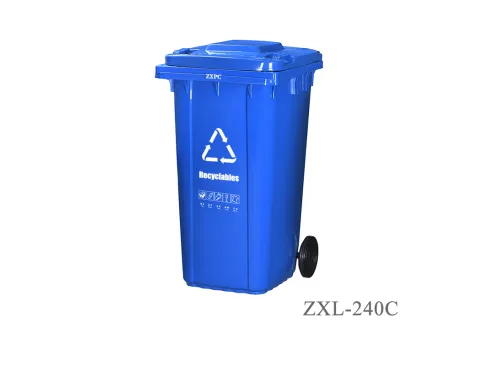
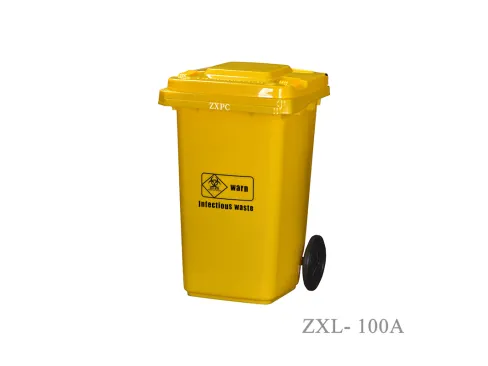
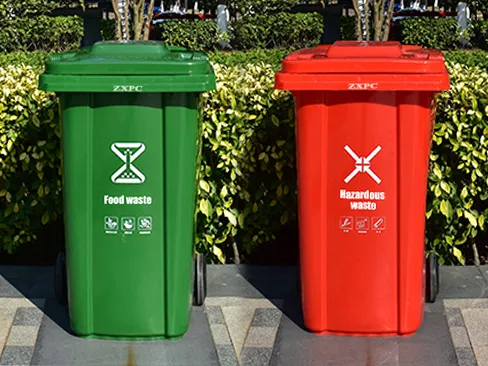
Utilize your waste flow analysis to categorize waste into segments such as hazardous, recyclable, and general waste. This categorization is critical as it informs the types of containers you will need. For instance, a plastic manufacturing plant discovered that over 50% of their waste could be recycled, prompting investment in dedicated recycling containers.
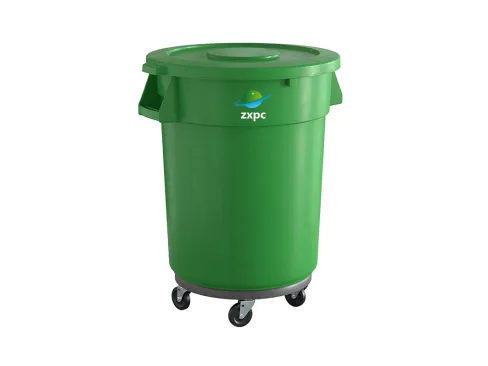
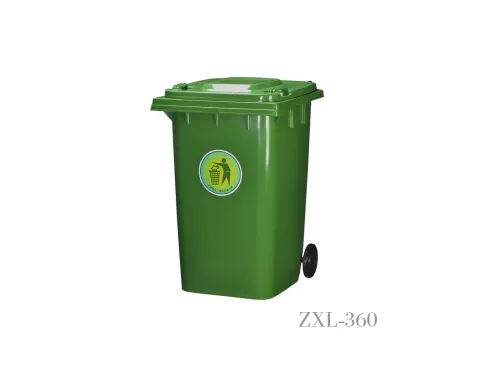
Each type of waste might require different container sizes. Based on the generated waste volume, calculate appropriate container dimensions. A typical calculation involves evaluating the weekly waste production against the container capacity. For example, if your plant produces 2 cubic yards of waste daily, you might need a container with at least a 14 cubic yard capacity to avoid overflow.
Strategically locate industrial garbage containers to enhance accessibility and promote effective disposal practices. Use a facility layout diagram to show optimal container positions. For example, a case study in a large automotive factory revealed that placing containers within 30 feet of production lines increased usage by 40%.
Establish a routine waste collection schedule that minimizes disruption in the production flow. Collaborate with local waste management companies to define pickup frequencies based on container usage rates. In a practical scenario, a food processing plant shifted from weekly to bi-weekly pickups and reduced collection costs by 20% while maintaining a cleaner facility.
Training staff to understand the importance of using the industrial garbage containers properly is crucial. Initiate training sessions and provide visual aids, like posters on waste segregation. A factory that undertook a training program saw a 30% increase in participation in recycling efforts within three months.
Even with careful planning, companies can make mistakes. Common errors include:
To overcome these errors, implement routine reviews of waste management strategies and solicit feedback from staff engaged in waste disposal practices.
In conclusion, effective planning of industrial garbage containers is vital for efficient factory waste flow. By assessing waste types, calculating required sizes, ensuring strategic placement, and educating employees, manufacturers can significantly enhance efficiency and reduce costs. ZXPC provides a variety of container options suited to meet diverse industry needs, with proven durability and cost-effectiveness. Remember that consistent audits and employee engagement will keep your waste management practices on the right track, ensuring compliance and sustainability in your facility.